

The numbers about gender imbalance in the technology sector are well documented and provide an essential starting point for thinking about what we can do.
In a market already short of engineers, bringing more women and underrepresented groups into ICT roles expands hiring capacity and strengthens delivery power rapidly and simply. Expanding participation is the fastest and most logical lever to close the growing technology talent gap and help accelerate innovation.
As more women fill the ranks of top engineers, a few more girls will find they have powerful role models to help them make their career choices.
Strategies to accompany more women into the world of tech
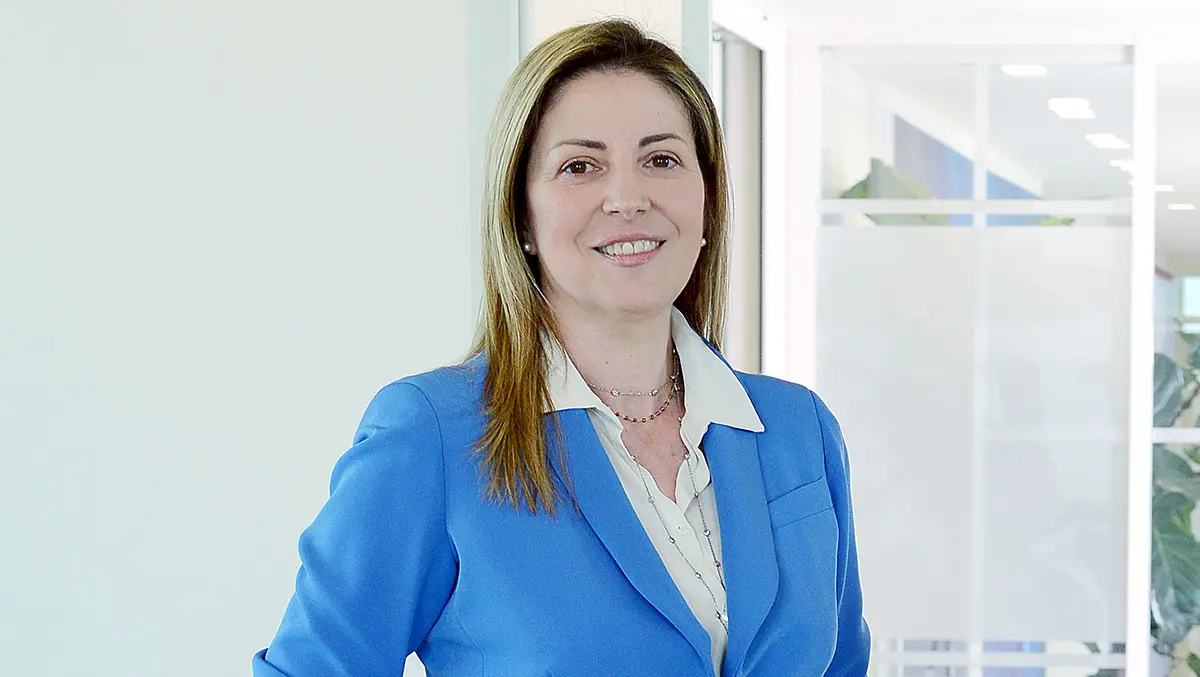
In my role as Communication and Sustainability Director at Fincons Group, I also serve on the Equality Committee, which is responsible for shaping our governance framework and strategic direction on inclusion and diversity. Fincons is an international IT consulting company with offices in Italy, Switzerland, Germany, France, Belgium, the United Kingdom, the United States, and India. This global presence brings together diverse cultural perspectives and approaches, enriching the way we think about and implement inclusivity. As we continue to grow and expand across borders, we recognize that fostering inclusion requires sensitivity and respect for the social, cultural, and regulatory contexts of each country in which we operate. Our commitment is to promote a shared vision of inclusivity that is globally consistent, yet locally aware and culturally respectful.
We have become increasingly aware of the importance of supporting women, and our people more broadly, in the workplace through targeted initiatives that foster female empowerment.
For this reason, I believe that the key to making technology companies more inclusive for women lies in building a strong and structured bridge between schools, universities, STEM institutions, and the world of work. Dedicated training programmes, such as female-focused academies that combine specialized learning with internship opportunities for young graduates, ultimately leading to employment, can serve as powerful enablers of change.
In parallel helping technology companies become more attractive and welcoming environments can generate tangible value for both businesses and the wider sector. It is widely recognized that teams composed of individuals with diverse backgrounds, expertise, and identities tend to perform better and drive greater innovation. For this reason, it is essential to nurture diversity at its source, creating a smooth and supported pathway into engineering and technology careers.
Communicating inclusively
Another key factor in fostering a bias-free working environment is the consistent use of respectful, inclusive language, supported by the active involvement and commitment of leadership at every level. Promoting awareness of inclusive vocabulary and communication styles (through webinars, workshops, and discussion circles) helps encourage behaviors that align with these objectives, both in person and across highly visible digital and social media platforms.
I have experienced in my company that informal women's empowerment groups can provide a safe and supportive space for connection, confidence-building, and shared growth. At the same time, dedicated online communities focused on equality help broaden the conversation.
Training fairer AI
Artificial Intelligence offers an unparalleled opportunity when used responsibly. However, in a traditionally male-dominated field such as technology, we must also recognize a significant risk: the underrepresentation of women in AI development can generate feedback loops that exacerbate existing inclusivity gaps. It is therefore critical to respond to this call to action. More women must be at the forefront of technological innovation, actively shaping its design, guiding its ethical frameworks, and expanding its possibilities. Today's students are tomorrow's workforce, and they need not only the right skills, but also the confidence that they will enter workplaces that are genuinely inclusive and supported by meaningful measures to safeguard equality.