

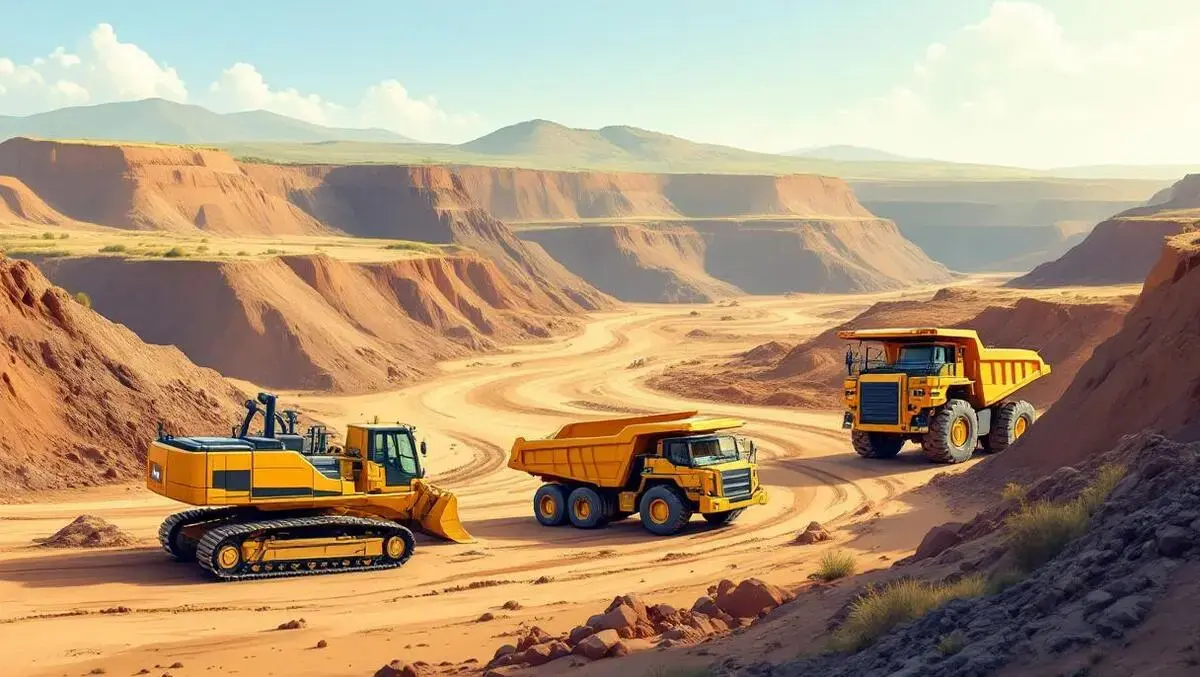
Off-highway vehicles shift to electric power as batteries improve
Fri, 3rd Apr 2026
Industries including construction, agriculture and mining are using more off-highway electric vehicles, a shift linked to advances in lithium-ion battery technology.
Research cited by Persistence Market Research points to a broader move away from diesel-powered machinery in rugged operating environments as companies respond to higher fuel costs, tighter emissions rules and pressure to cut operating expenses. The trend spans machines used off public roads, from tractors and excavators to mining vehicles.
Diesel has long dominated the off-highway segment because of its proven performance in heavy-duty settings. But that position is being challenged as battery systems improve and electric drivetrains become more viable for demanding industrial applications.
Lithium-ion batteries are central to that shift. Their higher energy density allows vehicles to run longer between charges, while their lighter weight and smaller footprint can improve vehicle design and energy efficiency. Battery management systems have also advanced, helping operators monitor performance, safety and battery life more closely.
Battery Progress
Faster charging has been one of the key developments, reducing the time machinery sits idle. In sectors where downtime can disrupt projects or output, this remains a critical factor in whether electric equipment can meet the practical demands of diesel fleets.
Battery swapping is also being explored in settings that require near-continuous use. Instead of waiting for a machine to recharge, operators can replace depleted battery packs and return vehicles to service more quickly. The approach could be especially relevant in mining and large-scale construction, where utilisation rates are high.
Durability is another focus. Off-highway vehicles often operate in dust, vibration, steep gradients and temperature extremes, conditions that place heavy strain on power systems. Improving battery resilience is therefore central to wider adoption, particularly at remote or harsh sites where maintenance is costly.
Digital Tools
Modern electric machinery is increasingly paired with telematics and data analysis tools. These systems provide real-time information on battery health, energy consumption and vehicle use, giving fleet managers a clearer view of operating efficiency.
Predictive maintenance is becoming part of that package. By identifying signs of wear or system issues before they lead to breakdowns, operators can reduce repair costs and avoid disruptions. That is important in industries where lost machine time can quickly translate into delays and higher costs.
The combination of electrification and digital monitoring reflects a broader industrial shift. Operators are not simply replacing one power source with another; they are also changing how machinery is managed, serviced and deployed.
Sector Use
Adoption patterns differ by industry. In agriculture, electric tractors and related machinery are being used for quieter operation and lower day-to-day running costs. Farms can also benefit from reduced local emissions, particularly in enclosed or mixed-use environments.
Construction is another area of growing interest, especially in urban projects where restrictions on noise and air pollution are tightening. Electric excavators, loaders and other equipment can help contractors meet those requirements while also cutting fuel use.
Mining presents a distinct case. Electric off-highway vehicles can improve air quality in underground operations and reduce the need for ventilation, often a major cost at subterranean sites. That gives electrification a financial as well as environmental rationale.
Costs And Limits
The economic case for electric off-highway vehicles rests largely on lower fuel and maintenance costs over time. Electric drivetrains have fewer moving parts than diesel engines, which can reduce servicing needs. Even so, the higher upfront cost of battery-powered machinery remains a barrier for some buyers.
Charging infrastructure is another constraint. Unlike passenger cars, off-highway vehicles are often used in isolated locations where grid access is limited or unreliable. That makes dependable charging systems harder to roll out and may slow adoption in some regions or industries.
Performance in extreme weather also remains under scrutiny. Battery efficiency can fall in very cold or very hot conditions, which matters for equipment expected to operate consistently in exposed environments. Standardisation across charging systems and battery formats is also still evolving.
Even with those obstacles, the direction of travel appears clear. The off-highway vehicle market is moving towards electrification as battery systems improve, digital tools become more common and industrial users seek ways to meet emissions targets while controlling long-term operating costs.
According to Persistence Market Research, the analysis points to a strong shift towards electric off-highway vehicles as industries place greater emphasis on efficiency and sustainability.