

.webp)
Cycloid has launched Stack Versioning for its service catalogue, aimed at platform teams and application developers managing infrastructure upgrades.
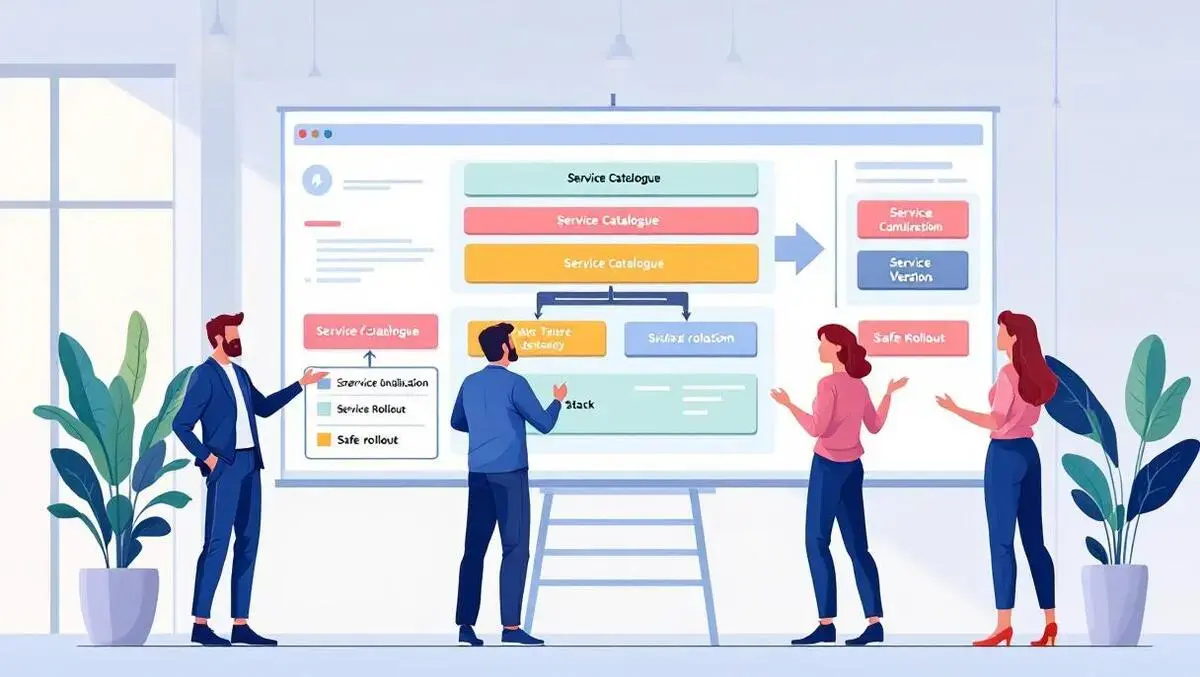
The feature adds semantic versioning to Cycloid's internal developer platform service catalogue, allowing teams to test and release changes to infrastructure stacks without forcing production users onto the latest version. It gives stack maintainers and end users separate control over when upgrades happen.
The launch targets a growing challenge for platform engineering teams as more organisations build internal tools to standardise infrastructure and developer workflows. Analyst firm Gartner projects that by 2026, 80% of large software engineering organisations will have dedicated platform engineering teams as companies expand developer self-service while trying to maintain governance.
Teams often struggle to manage reusable infrastructure stacks because updates can create configuration drift, trigger unwanted migrations and risk disrupting stable production systems. Cycloid argues those pressures are increasing as AI-assisted software development speeds up the generation and deployment of infrastructure configurations.
How it works
Under the new model, a platform team can create a feature branch of an existing stack, deploy a test component and make changes without affecting the version used elsewhere in the organisation. This lets teams try revisions in isolation before deciding whether to promote them more widely.
The approach is intended to suit organisations running a mix of older and newer systems. Legacy applications can remain on versions already validated for long-term use, while newer services can move to updated releases on a different timetable.
For companies operating multiple environments, Stack Versioning also supports staged rollouts. A new version can be introduced first in staging, tested under live conditions and moved into production only after teams are satisfied with the result.
Alongside the versioning update, Cycloid has added an Adoption Dashboard showing which components are running which version across an organisation. The dashboard is designed to help teams track technical debt, prepare migrations and identify systems that have not yet moved to newer releases.
Market context
Internal developer platforms have become a growing area of investment as software teams try to reduce repetitive infrastructure work and give developers self-service access to approved resources. But this operating model has also created tension between platform teams, which are typically responsible for maintaining standards, and application teams, which want more flexibility over deployment and upgrades.
Cycloid is positioning Stack Versioning as a way to separate those responsibilities more clearly within the service catalogue. Rather than tying all users of a shared stack to the same update cycle, the feature lets maintainers continue improving the underlying stack while downstream teams decide when to adopt a newer version.
"Platform engineering is about finding the right balance between control and autonomy, but for too long infrastructure stacks have been the one place in the software delivery chain where that balance didn't exist," said Benjamin Brial, founder of Cycloid. "Concerned that a single update could ripple across dozens of production components, teams have long held back improvements or taken on unnecessary risk. The launch of Stack Versioning today changes this dynamic by giving platform teams the confidence to evolve their stacks, and developers the ability to consume reliable infrastructure on a timeline that works for them."
The release expands Cycloid's service catalogue, which is built around reusable stacks that define infrastructure, services and workflows that can be shared within an organisation. Versioning is intended to make those shared building blocks easier to manage over time by letting teams maintain and adopt them at different speeds.
Stack Versioning is now available to Cycloid users, alongside the new Adoption Dashboard.