

ISACA sets Munich conference on AI governance & trust
Wed, 29th Jul 2026
ISACA has announced its Europe Conference 2026 in Munich, focused on governance, cyber resilience and digital trust.
More than 50 speakers are expected to take part, with sessions on artificial intelligence, cybersecurity, risk, regulation and operational resilience. The programme is designed to address the pressures companies face as AI spreads across business operations and European rules tighten.
The event comes as businesses prepare for a series of regulatory changes in Europe, including the EU AI Act, NIS2, DORA and the Cyber Resilience Act. Together, these measures are raising expectations around oversight, resilience and accountability as AI tools are adopted more widely across corporate functions.
ISACA cited findings from its 2026 AI Pulse Poll to highlight the scale of that shift. According to the survey, 92% of organisations say AI is already being used across the business, while 42% have a formal, comprehensive AI policy.
That gap between adoption and policy is likely to be a central theme of the conference. Discussions will examine how companies can manage AI-related risk, improve governance and respond to a more complex threat environment shaped by AI and quantum technologies.
Keynote speakers include Henry Ajder, known for his work on generative AI, deepfakes and synthetic media, and Monica Verma, former Chief Information Security Officer and founder of Cyber Foyer and Monica Talks Cyber. Verma is scheduled to speak on cyber resilience, leadership and talent.
Policy pressure
The programme includes more than 40 sessions covering AI governance, agentic AI, cloud security assurance, digital sovereignty, privacy, governance, risk and compliance, and cyber risk. Session titles include AI Governance Grows Up: Regulation, Risk and Agentic AI; AI-Driven Cloud Security Assurance; How to Build a People-Centric Defence for AI-Driven Attacks; and Understanding Cyber Risk in an AI- and Quantum-Saturated Threat Landscape.
ISACA is also offering two workshops alongside the conference. One focuses on preparation for its Advanced in AI Risk certification exam, while the other examines how security, risk, governance and audit leaders can build privacy programmes.
The event will also feature ISACA's advanced AI qualifications for audit, risk and security professionals: Advanced in AI Audit, Advanced in AI Risk and Advanced in AI Security Management.
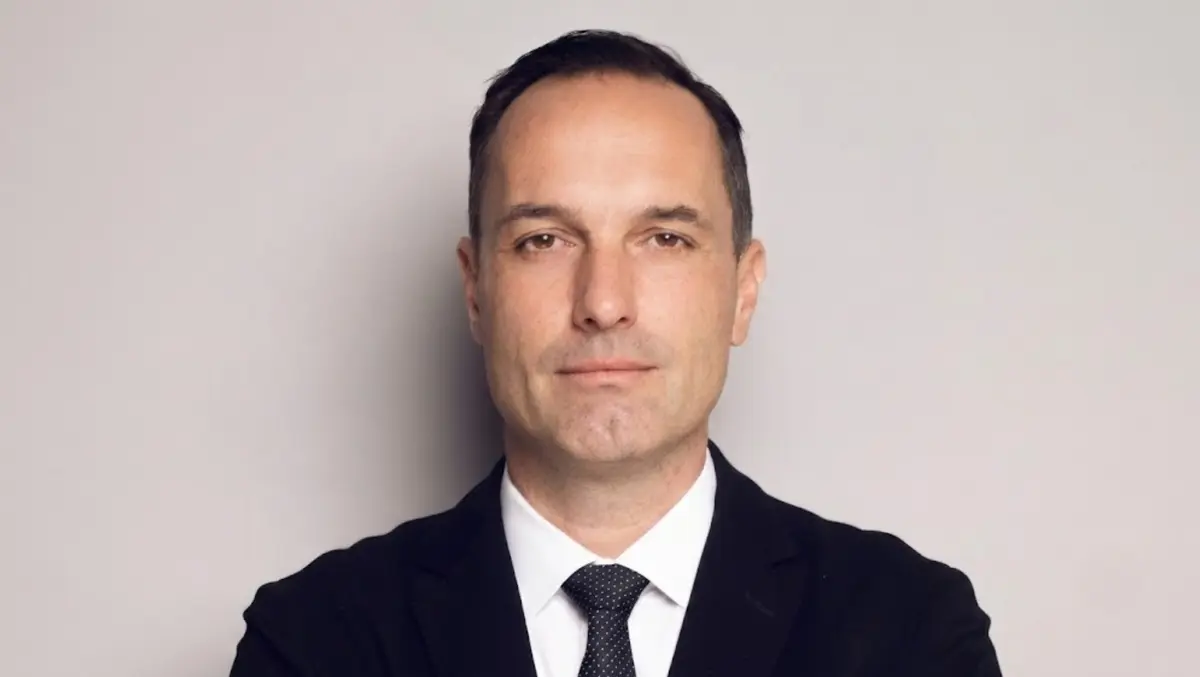
Chris Dimitriadis, Chief Global Strategy Officer at ISACA, said the debate has moved beyond whether AI should be deployed.
"The challenge facing organisations today is no longer whether to adopt AI, but how to govern it towards sustainable innovation," said Chris Dimitriadis, Chief Global Strategy Officer at ISACA.
He added that companies and professionals now need practical support as legal and operational demands increase.
"As regulation evolves and AI becomes embedded across business functions, professionals need practical guidance, shared experience and trusted frameworks to navigate an increasingly complex landscape. ISACA Europe Conference brings together the people, ideas and expertise that will help organisations and individuals build resilience and strengthen trust in the years ahead," Dimitriadis said.
Wider reach
ISACA describes itself as a global association and learning organisation for cybersecurity professionals. It has more than 195,000 members and a presence in more than 190 countries, reflecting the international audience it expects to attract to discussions on AI oversight and cyber governance.
The conference will be available in person in Munich and through a virtual general session package. Attendees will also be able to earn up to 32 continuing professional education credits through the programme.
The agenda reflects a broader challenge for companies across Europe: AI deployment is moving quickly, while formal internal policies and control structures are still catching up. ISACA's survey data suggests many organisations are already operating in that gap, with 92% reporting AI use across the business and only 42% saying they have a formal, comprehensive AI policy.