

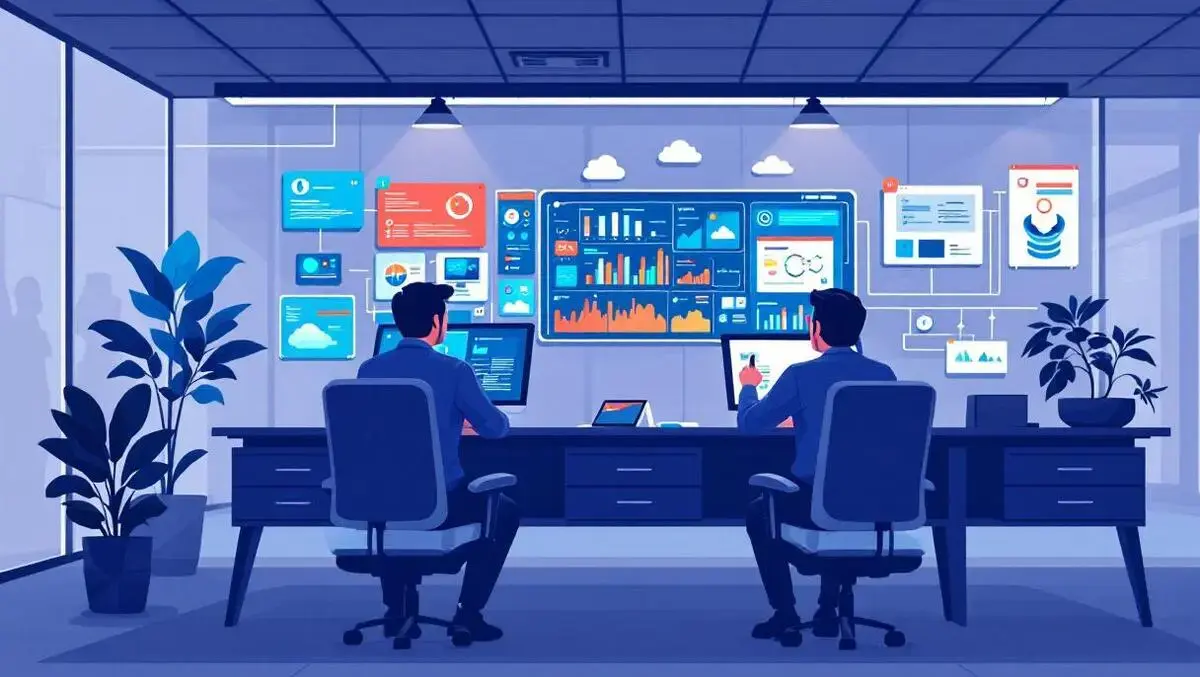
Kyndryl launches AI Digital Twin for the workplace
Fri, 10th Apr 2026
Kyndryl has launched an AI-powered Digital Twin for the Workplace, built on Microsoft Foundry.
The system is designed to help IT teams identify and address workplace technology problems before they disrupt employees. It analyses signals from devices, applications and workplace locations, then triggers alerts, recommends corrective steps and sends support resources before systems freeze or fail.
The launch reflects growing demand from large organisations for tools that reduce reliance on traditional break-fix support models. In many businesses, IT teams still discover faults only after staff have been affected, leading to delays, lost productivity and operational disruption.
The Digital Twin creates a virtual representation of how work happens across an organisation. This gives IT teams a view of workplace health and performance, including where work is slowing down, what may be causing the issue and where intervention may be needed.
Kyndryl pointed to sectors with time-sensitive operations as examples of where small technology failures can have wider effects. In airports, for example, a slow or unstable workstation used by gate staff can force employees to switch terminals to keep flights moving, adding disruption for workers and passengers.
According to the company, the product uses simulated user personas and aggregated patterns rather than individual employee tracking. That approach is intended to support privacy safeguards while still allowing IT departments to model workflow issues across offices and employee groups.
Microsoft Link
The service runs on Microsoft Azure and uses Microsoft Foundry for AI orchestration. This setup supports features such as autonomous issue identification, suggested fixes, outcome validation, visibility into the digital performance of specific offices or regions, and links to inventory and supply chain systems for hardware planning and stock placement.
The announcement also fits within a wider push by IT service providers and software groups to apply AI to internal operations, not just customer-facing applications. Workplace support, device management and digital employee experience have become areas of focus as companies seek to limit downtime without adding more manual monitoring.
Michael Przytula, Senior Vice President and Global Lead for Digital Workplace Services at Kyndryl, said the company sees the workplace as the point where staff, physical locations and systems meet.
"As a company, we sit squarely at the intersection of people, places, and technology, where real work happens, not just systems," Przytula said.
He said the product is intended to shift IT support from responding to failures to anticipating problems.
"At Kyndryl, we're moving beyond reactionary support toward predictive experience engineering, turning experience data into foresight and real business impact from day one. This isn't just about optimising tools; it is about elevating human work itself, anticipating friction before users feel it, mobilising insights into action, and unlocking value that transforms how organisations work in the real world," he said.
Workplace Focus
The product also extends Kyndryl's work with Microsoft in workplace operations. The Digital Twin is the next step in the Kyndryl Microsoft Acceleration Hub, launched in 2025 to expand the use of AI in workplace services.
Kyndryl operates in more than 60 countries and focuses on IT infrastructure and related services for large organisations. The launch shows how service providers are adding more software-led and AI-based tools to long-term outsourcing and managed services relationships, particularly in areas where clients want fewer service interruptions and better visibility into daily operations.
The system can also show the digital performance of particular offices or regions in real time and integrate with inventory and supply chain systems to predict refresh needs and stock placement.