Access Control stories
Publishers that set firm guardrails for AI agents are seeing fewer costly mistakes, better accuracy and faster decision-making before launch.
With AI tools surfacing hidden files, stale permissions can turn a simple phishing lapse into a wider data exposure across Microsoft 365.
As AI enters business and public services, organisations face growing pressure to prove who can authorise access, actions and data.
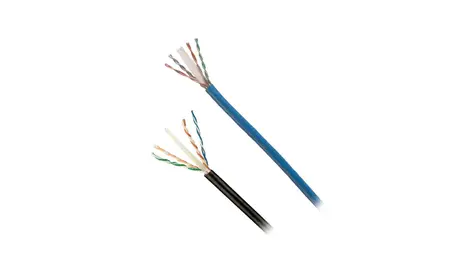
It could cut the need for extra switches and converters when cameras, sensors and access points sit beyond the usual 100-metre limit.
Defenders are now facing intrusions that can race from initial access to identity systems and cloud networks in under a day, shrinking response time.
A single supplier outage can now cascade across sectors, with cloud concentration and ransom-driven downtime leaving firms exposed to costly disruption.
Risk-based monitoring matters most when a real attack lands, because the wrong alert at 5.47 am can leave critical systems exposed.
Businesses can change verification steps without rewriting code as the new tool targets the risks posed by AI agents acting on customers' behalf.
Better coordination across lighting, HVAC and security could also extend to sound, as open protocols promise to bring audio into building automation.
Developers must migrate by 2027 as Google tightens controls on AI access to Gmail, Drive and cloud systems, with human approval for sensitive actions.
Small firms are losing time and control as brand files scatter across inboxes, drives and laptops, creating avoidable costs and security gaps.
MSPs face a new oversight problem as autonomous tools reach into sensitive systems faster than many customers can track or control them.
Leavers in frontline roles can still retain access for weeks, leaving manufacturers, hospitals and warehouses exposed to audit and security failures.
As more teams ship AI-written software, gaps in verification are raising the risk of defects, security flaws and costly production failures.
Physical security teams are being pulled into the AI shift as connected access systems turn cyber failures into real-world safety risks.
Outdated diagrams leave enterprises exposed, as attackers probe live networks and exploit hidden gaps before teams can spot them.
The NCSC says AI-assisted intrusions are exposing overlooked keys and APIs, leaving firms at risk of readable contract and backup theft.
Banks face rising insider-threat exposure as AI agents gain access to sensitive systems across India's payments network.
The rollout gives more than 5,000 staff and contractors tighter controls over student data, after a mixed-browser setup made enforcement harder.
Small firms can be crippled by a stolen login or faulty update, so mapping who can access key systems is the first step to recovery.