Building materials stories
Gemalto has put the final touches on its acquisition of 3M's Identity Management Business - a deal worth $850 million.
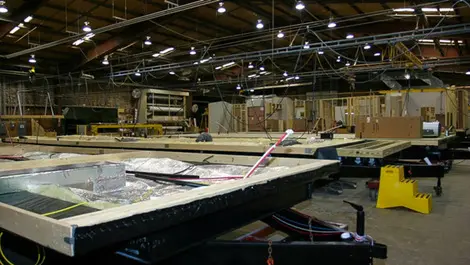
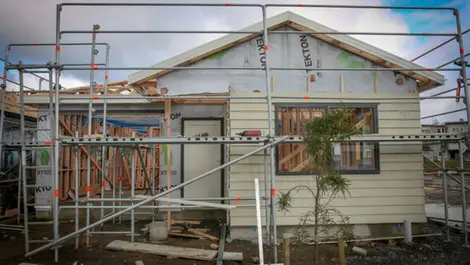
Better safety and quality control in prefab building could speed up cheaper, more durable projects as Victoria unveils a world first code.
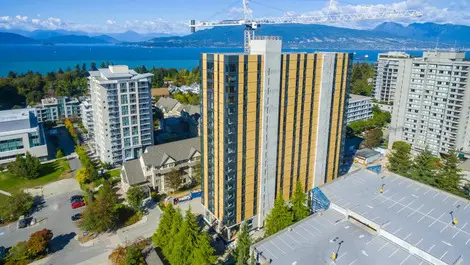
A 220-metre timber tower could clean contaminated reservoir water while opening one-eighth of Central Park to swimming and sailing.
A Montreal university team’s net-zero house could cut heating and cooling demand by up to 90 per cent in the 2018 Solar Decathlon.
New 'one stop shop' facility M2 has been launched in Australia to accelerate the development of life-changing medicine and medical devices.
Walls and public surfaces could stay cleaner for longer after WACKER unveiled coatings that resist stains, graffiti and posters.
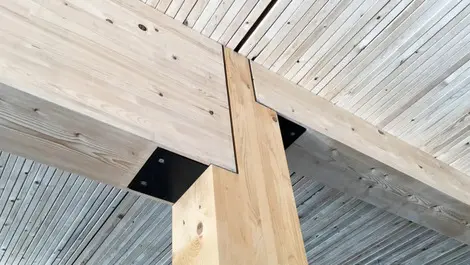
Mass timber is gaining traction because it can match concrete on strength while cutting build times, waste and carbon emissions.
The 52-metre scheme would replace the Leader’s Building and could briefly make central Wellington home to a record-breaking timber tower.
The factory could ease housing shortages by speeding up and cheapening construction, with excess capacity set to serve Southeast Asia.
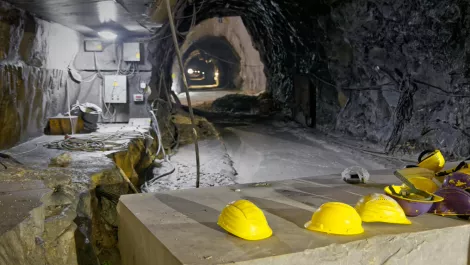
Dugald River bolsters its mine with Pitram tech, enhancing safety and ramping up zinc output through real-time data management.
Architects are increasingly choosing engineered wood as it can cut costs, speed builds and improve occupant satisfaction in commercial projects.
Council budgets could fall as graffiti is scrubbed off coated surfaces with cold water, reducing the need for harsh chemicals and recoating.
Timber is giving Australian builders a cost and speed edge as a Rotorua conference spotlights its growing use in commercial construction.
Consumers could soon see fully renewable water bottles as Danone, Nestle Waters and Origin Materials race to commercial scale.
Freshwater quality is deteriorating across New Zealand, with half of monitored river sites showing rising nitrogen and native fish at risk.
Growing demand for greener buildings is pushing New Zealand firms to prove the environmental impact of materials, researchers say.
Water ingress and hidden corrosion are driving costly repairs and lawsuits across leaky buildings, from New Zealand to Canada.
Construction costs could fall and projects finish sooner if New Zealand uses more CLT, an engineered timber system made locally.
The market could more than double to USD $377 billion by 2022 as demand for lower-emission construction materials rises worldwide.
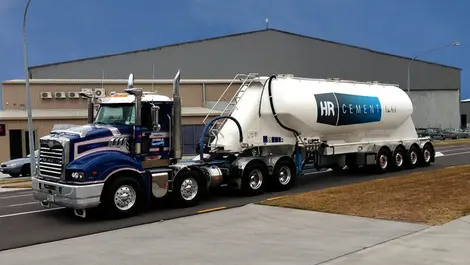
Builders could cut concrete emissions by up to 30% as a New Zealand firm rolls out a low-carbon cement made from local pozzolan.