Infrastructure Investment stories
The deal lifts DXN's AI high-performance computing order book to about AUD $21 million as demand for faster-deployed modular sites grows.
Network builders are racing to secure fibre as AI traffic drives a multiyear expansion, with Zayo locking in supply to cut shortage risk.
Nearly 40% of firms have delayed growth plans as volatile power costs and supply fears squeeze investment across Australia and New Zealand.
Most energy professionals in Southeast Asia expect AI to aid the transition, but data gaps, costs and grid strain remain major hurdles.
Households could face higher bills unless new water entities lift delivery from councils' 60 to 80 per cent record and prove their costs.
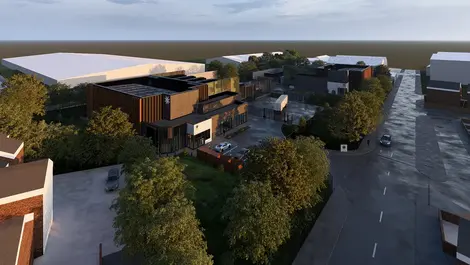
Tenants at BeFa Industrial Estate will gain wider fibre access as the site races to meet demand from AI, cloud and data centre operators.
Poor broadband can now put buyers off a home altogether, with 23% saying slow service would make them walk away.
Climate risks are already costing New Zealand billions a year as the government faces renewed criticism for its patchy adaptation plan.
Waikato councils say a 4% rates cap will squeeze funding for water and wastewater, as mayors accuse ministers of hypocrisy.
Customers could see faster upgrades and lower duplication costs as regulators weigh a joint mobile network venture that may reshape New Zealand telecoms.
Regional AI computing hosted in Australia could avoid millions of tonnes of emissions while drawing up to AUD $52 billion in fresh investment.
Rising heat and urban growth are set to strain India's grid, prompting calls to treat district cooling as vital infrastructure.
Benchmarking shows Tasman's rivers team is half the size of some peers, despite flood-hit communities pressing for stronger protection.
Funding for sports facilities and community grants could be cut as Marlborough council tries to stay within a 4% rates cap.
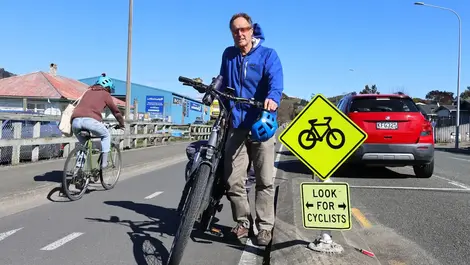
Public pressure is building for changes to Nelson's St Vincent Street cycleway, as the council weighs parking removals after 12 crashes since 2014.
Airports across Asia and the Middle East are facing a sustained spending cycle as passenger numbers rise and capacity pressures mount.
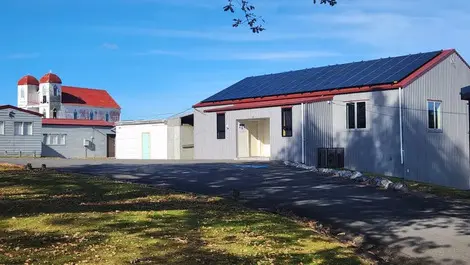
Whānau bookings have been moved as the marae shuts from 31 August to 31 December for a new ablution block and safety-critical services work.
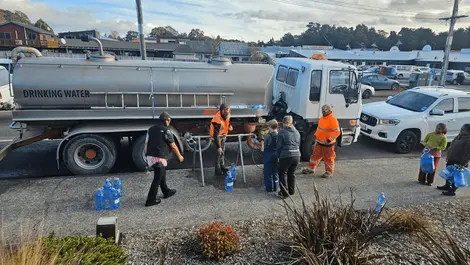
Residents of the Ruapehu town were left without taps for nearly three days after a pipeline break went undetected, prompting calls for outside scrutiny.
Residents could face weaker flood protection after a former chief financial officer accused Environment Southland of failing to deliver promised work.
The canal-side brownfield scheme could reuse disused land while adding capacity for AI workloads closer to Manchester users.