Liquid cooling stories
The new chips are already shipping from major hardware vendors as AMD targets heavier AI and cloud workloads in the data centre.
More than 6,500 customers have adopted Dell's AI Factory with NVIDIA as it adds deskside systems, servers and managed services for agentic AI.
The deal will help DKRZ cut energy use by about 75% per simulated year as it replaces Levante with a new climate modelling system in 2028.
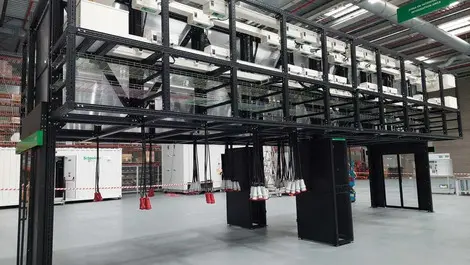
Rising demand for AI computing is pushing operators towards repeatable builds, and Schneider Electric says its new modular design can speed deployments.
A global index shows Sydney and Melbourne still trail Asian hubs, though Melbourne’s indicative build cost is slightly lower at $10.58 per watt.
Asia Pacific data centre operators are under pressure to add capacity without sacrificing uptime, efficiency or decarbonisation goals as AI demand surges.
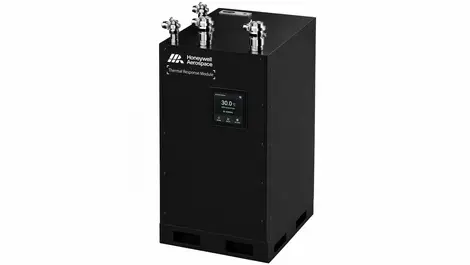
The trial is aimed at helping data centre operators avoid overheating and GPU downtime as AI workloads strain liquid-cooling systems.
The new group aims to capture rising demand for AI-ready infrastructure, with revenue expected to top USD $400 million in 2026.
Rising demand for AI-ready infrastructure has prompted the new group to target more than USD $400 million in revenue in 2026.
The move could let data centre builders use common blueprints for high-power AI systems, easing deployment of racks up to 250kW.
Operators of AI data centres in Europe will be able to test liquid-cooling systems more thoroughly, cutting the risk of outages before launch.
European firms are gaining more locally controlled AI capacity, as the Oslo site is set to house 5 MW of liquid-cooled compute under regional jurisdiction.
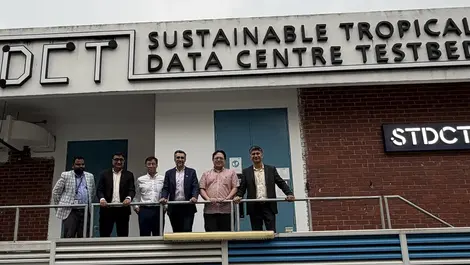
Cooling could account for up to 40% of energy use in tropical data centres, spurring research on cheaper, more efficient systems for AI workloads.
The portfolio targets grid resilience and AI-driven power demand, with compact systems aimed at cutting installation time and site costs.
The new site adds 8 MW of capacity and 1,550 cabinets as Singapore faces tighter limits on land and energy use amid AI-driven demand.
The project aims to squeeze up to 35% more usable compute from the same power supply as AI demand increasingly hits cooling limits.
Customers and partners can now inspect integrated power and cooling systems in Singapore as AI data centres demand denser, more efficient infrastructure.
As AI workloads intensify, the module is being positioned to help data centre operators avoid cooling interruptions that could damage costly GPU hardware.
Operators facing surging AI demand can now test integrated cooling and power systems at a new Singapore facility for dense computing workloads.
The US cloud group is deepening its Asia push, with the Navi Mumbai site set to become a major base for AI workloads from mid-2028.