Liquid cooling stories
Rising AI power density is pushing data centre operators towards higher-capacity liquid cooling, reshaping who suppliers like Nidec sell to.
The new system aims to improve reliability and cut water and energy use as data centres race to cool denser AI workloads.
The new design could let operators devote 90 MW of every 100 MW of provisioned capacity to servers, easing power constraints for AI build-outs.
The software could help AI data centres cut energy and water use while keeping hotter, denser GPU racks within safe operating limits.
Enterprises can now benchmark AI inference workloads on Qualcomm's Dragonfly AI200 through Cirrascale's cloud before committing to production.
Customers running dense AI and supercomputing racks could cut storage spending by up to 82% and gain simpler liquid-cooling oversight.
The deal broadens Vertiv's support for liquid-cooled data centres in EMEA as operators seek specialist help with commissioning and maintenance.
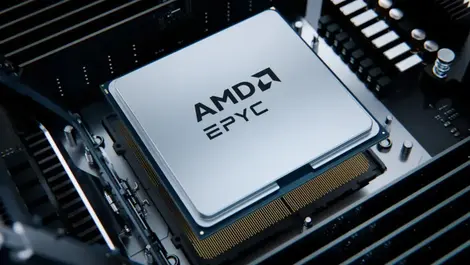
The new chips are already shipping from major hardware vendors as AMD targets heavier AI and cloud workloads in the data centre.
More than 6,500 customers have adopted Dell's AI Factory with NVIDIA as it adds deskside systems, servers and managed services for agentic AI.
The deal will help DKRZ cut energy use by about 75% per simulated year as it replaces Levante with a new climate modelling system in 2028.
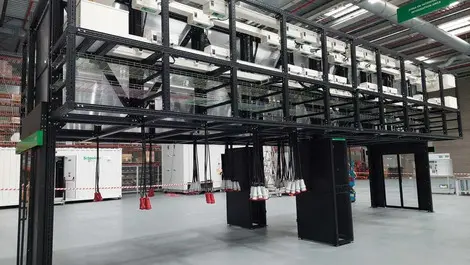
Rising demand for AI computing is pushing operators towards repeatable builds, and Schneider Electric says its new modular design can speed deployments.
A global index shows Sydney and Melbourne still trail Asian hubs, though Melbourne’s indicative build cost is slightly lower at $10.58 per watt.
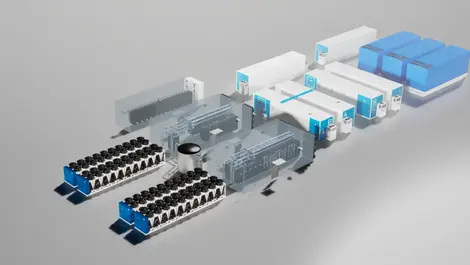
The architecture is aimed at AI-driven data centre builds, promising to reserve up to 90% of provisioned electrical capacity for servers rather than cooling.
Data centre operators could free up more power for servers as the new architecture is designed to direct up to 90% of provisioned capacity to IT compute.
Families struggling with bills could get free hot water and heating as the system aims to reuse GPU server waste heat in 100 homes by 2027.
Growing demand for AI cooling is drawing operators and cloud providers to Nidec, which used its Singapore debut to open partnership talks.
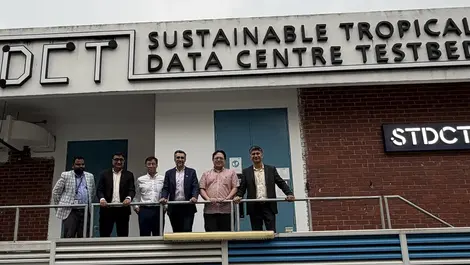
Cooling could account for up to 40% of energy use in tropical data centres, spurring research on cheaper, more efficient systems for AI workloads.
The portfolio targets grid resilience and AI-driven power demand, with compact systems aimed at cutting installation time and site costs.
The new site adds 8 MW of capacity and 1,550 cabinets as Singapore faces tighter limits on land and energy use amid AI-driven demand.
The project aims to squeeze up to 35% more usable compute from the same power supply as AI demand increasingly hits cooling limits.