Low carbon stories
Avanade launches Avanade Green IT Enabler, a sustainability service that helps organisations automate monitoring and reduce their carbon impact.
A new global report found 62% of Australian businesses prioritize sustainability and have plans for carbon neutrality; however, the issue is far more complex.
The bamboo is certified by the Forestry Stewardship Council, an assurance that the material comes from responsibly managed forests.
Longer-lasting concrete could cut emissions by reducing replacements, as cement accounts for up to 8% of global CO2 output.
Travellers will soon pass under one roof as the airport replaces its ageing 57-year-old domestic terminal in a NZD $3.9 billion rebuild.
Tecala has achieved the Climate Active Carbon Neutral Standard for Organisations and is now certified as carbon neutral for its Australian business operations.
Digital cooperation capability from IOTICS enables a decentralised data ecosystem for the ground-breaking Northern Gas Networks customer energy village.
Successful bidders will share GBP £4.2 million to tackle roadworks safety, urban freight and mixed-mode transport problems.
More than 200 industry leaders gathered in Nelson as judges pared 56 entries to 21 finalists for steel projects spanning bridges, sculpture and transport.
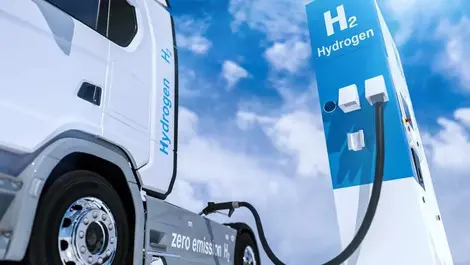
This could cut emissions by up to 40% as New Zealand’s biggest heavy transport fleet starts trialling on-site green hydrogen refuelling.
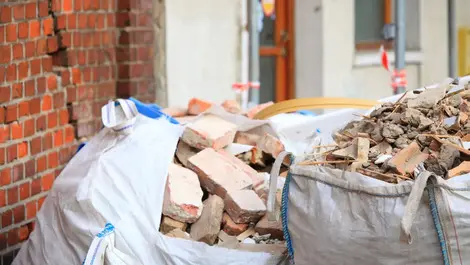
Businesses using landfill sites face higher disposal bills from 1 July as New Zealand widens its waste levy and reporting rules.
The new Auckland facility could cut New Zealand construction emissions by about 78,000 tonnes of CO2 a year, Holcim says.
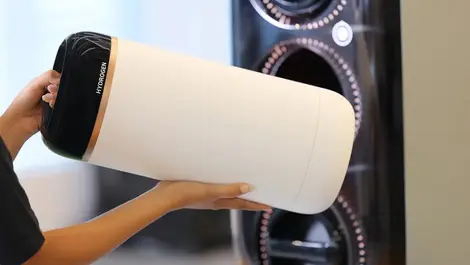
Residents of Toyota's Woven City could test swappable cartridges that bring hydrogen power to homes and remote areas without pipes.
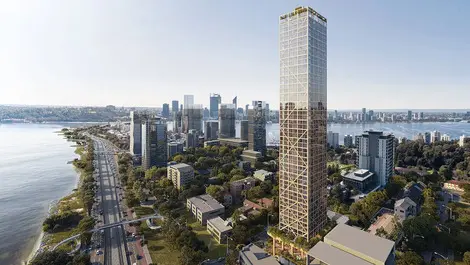
A $350-million proposal could bring 245 apartments to South Perth if planners back the 50-storey hybrid project.
A Canterbury student’s low-cost wall panel could help cut the building sector’s emissions, with seaweed replacing traditional gypsum in plasterboard.
Motorists could face higher pump prices as New Zealand's sustainable biofuels mandate aims to curb transport emissions from April 2023.
Poor sanitation and water management are emitting methane, while better policy could help cut climate pollution and expand clean energy.
Climate pledges made at COP26 could speed up investment in clean energy, EV charging and low-carbon materials, despite weak deadlines.
Phase one of the park could supply electricity for 30,000 homes and help Canterbury businesses and aviation cut fossil fuel use.
Judges praised the low-energy Jack’s Point build for self-sufficiency and craftsmanship, sending DCD through to November’s national awards.