

Bir says digital banking now reaches 5 million users
Mon, 21st Sep 2026 (Today).webp)
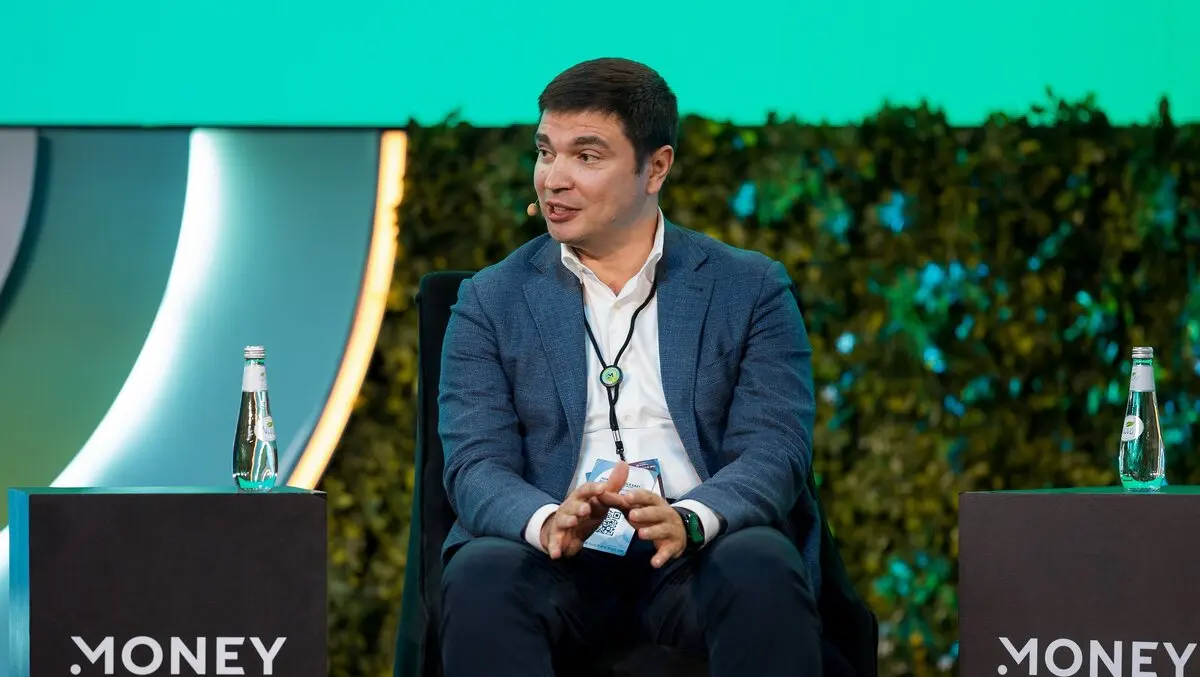
Bir presented its digital payments and banking strategy in Azerbaijan at Money20/20 Middle East in Riyadh. Chief Executive Officer Farid Huseynov said the group now serves more than 5 million users.
Huseynov appeared on the Executive, Bridge and Off-the-Record stages, speaking alongside senior figures from Google, Deutsche Bank and BlackRock on financial institutions, fintech expansion and payments.
Bir set out how it is trying to shift consumer behaviour in a market where cash still plays a central role in daily spending. Its model combines digital services with physical payment infrastructure to move customers towards electronic transactions without forcing an abrupt change.
The approach centres on products including the Birbank banking app, the m10 digital wallet and Milliön payment terminals. The terminals allow customers to pay bills with cash, offering a route into digital financial services while preserving familiar payment habits.
Bir said this gradual transition matters in Azerbaijan because comfort with digital tools varies widely across the population. It also pointed to in-app accessibility features for older users and people with hearing impairments, alongside customer support through bank branches.
With more than 5 million users, Bir said its ecosystem now reaches more than half of Azerbaijan's population.
Integrated model
Bir describes itself as an integrated banking, payments and eCommerce ecosystem, bringing together consumer finance, digital wallets, payment terminals and online shopping under one structure. The group was launched to combine brands including Birbank, Birmarket, Milliön and m10.
It has also formed partnerships with Trendyol marketplace and the BakiKart transport payment system, extending its reach into retail and public transport payments. This reflects a strategy of embedding financial services into everyday transactions rather than limiting them to conventional banking products.
The themes discussed in Riyadh underlined how consumer expectations and cross-border fintech growth are reshaping the sector. The event also focused on embedded finance and the use of artificial intelligence in financial services, areas that have become central to strategy discussions across banks, payment groups and technology companies.
Against that backdrop, Azerbaijan offers a case study in how digital finance can expand in an economy where cash remains deeply rooted. Bir's remarks focused less on replacing cash outright than on creating a bridge between physical and digital payment habits.
The company also highlighted the breadth of everyday use cases it is targeting across the market.
"Money20/20 is one of the world's leading global platforms, focused on the cutting edge of technology and financial services. I was delighted to provide our perspective across several discussion sessions in Riyadh, highlighting Azerbaijan's vast potential, the ongoing digitalisation of our economy and the key role Bir is playing in transforming everyday experiences - from shopping to domestic and cross-border money transfers to paying for public transport. It was also great to see a strong turnout at this event and to share ideas with like-minded leaders from some of the world's top technology and financial services institutions," said Farid Huseynov, Chief Executive Officer of Bir.
The event drew more than 30,000 attendees over three days, according to the organisers. Discussion topics included customer experience, international scaling and the shift from testing artificial intelligence tools to deploying them in financial services operations.
For Bir, the message was that adoption depends on trust, familiarity and practical access points as much as on software. Its use of physical terminals, branch support and app-based services shows how payment and banking groups in emerging digital markets are trying to widen usage by meeting customers across both cash and digital channels.
More than half of Azerbaijan's population now uses the Bir ecosystem, according to Huseynov.